

Two people can experience the same situation and see it completely differently.
One sees urgency. The other sees risk. One wants to move quickly. The other wants to slow down and get it right. One wants to address an issue immediately. The other would rather avoid the conversation altogether.
Sometimes we have competing priorities, incompatible goals, limited resources or simply different ideas about how things should be done.
And before we know it, we’re in conflict!
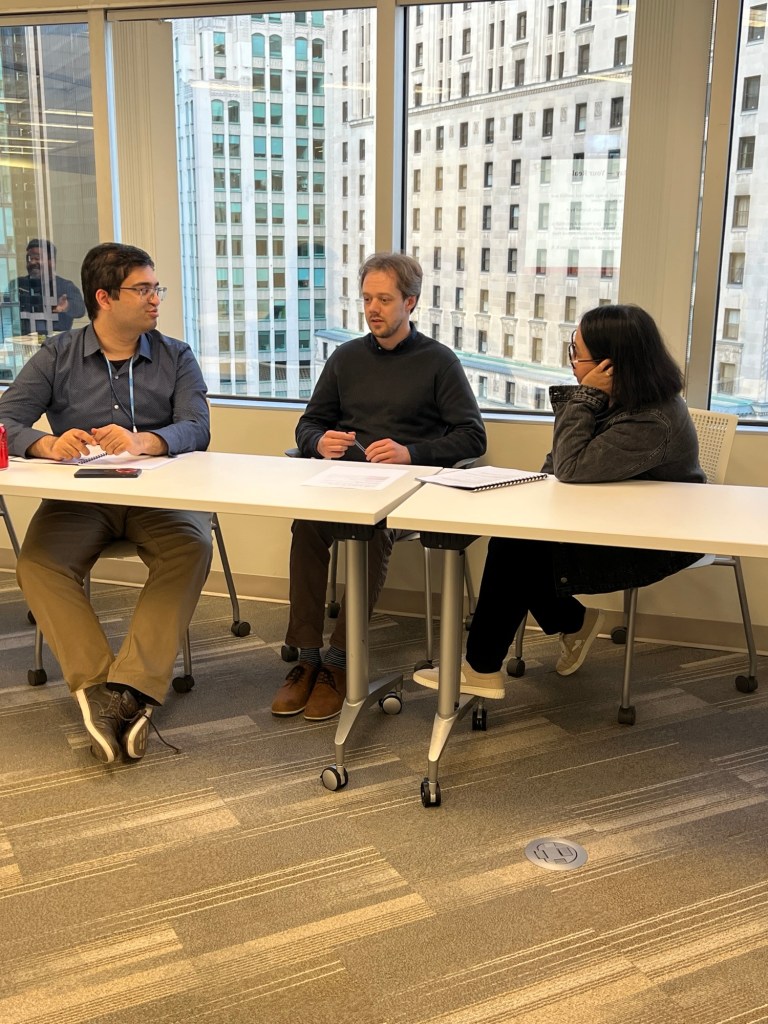
Today, I facilitated a workshop on Working Through Conflict: One Conversation at a Time.
We explored the different ways we respond to conflict, the assumptions we make, and how our perspectives shape the way we interpret situations.
There was movement, laughter, lively discussion and plenty of reflection.
But one of the most meaningful parts of the session came when participants brought their own real-life conflict situations into the conversation.
They shared their challenges, listened to different perspectives from their colleagues, and explored ways to approach situations differently.
What struck me was how easy it is, when we’re caught up in a conflict, to become so focused on our own perspective that we lose sight of what might be happening for the other person. And that’s where finding common ground becomes so important.
Our positions are what we want. Our interests are why we want them. When we look beneath our positions, we sometimes discover that while we disagree about how to get there, we actually want many of the same things.
Finding common ground doesn’t mean giving in, giving up or pretending we agree. It means making room for different perspectives, understanding what matters to each person, and exploring a way forward.
We don’t have to see things the same way to move forward together. And perhaps that’s a lesson worth remembering, not just at work, but in all our relationships.
#conflictmanagement
#commonground
#communication
#leadershipdevelopment